

The four questions marketers need to ask before launching a Black Friday deal
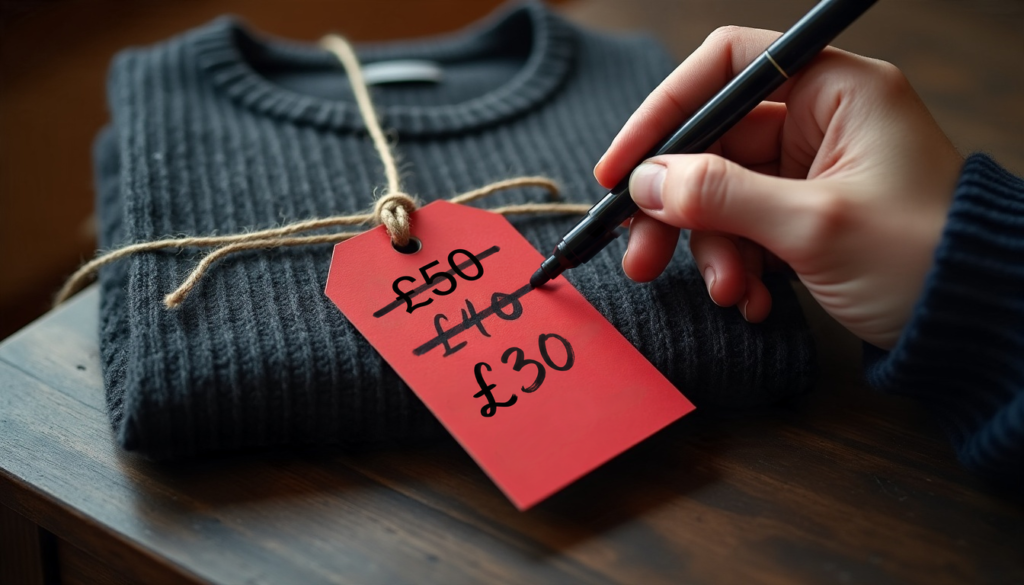
Black Friday can certainly deliver sales, but whether it brings meaningful profit depends on the economics of the deal. Before diving in to outcompete competitors with heavily discounted deals, marketers should ask themselves four questions.
Every year marketers face the same dilemma: either participate in Black Friday and risk sacrificing margin or sit it out and potentially lose customers to competitors. The problem is that most businesses evaluate promotions using sales figures alone. A spike in sales volumes might look successful on the surface, but it doesn’t necessarily mean that the campaign generated additional profit. The big question, therefore, is whether a brand is discounting demand that it already had, or whether the promotion created value that would not have happened otherwise.
Before launching any Black Friday activity, marketers should test their plans against four measures:
1/ Is the promotion commercially viable?
Put simply, does it make commercial sense? Many brands start with the discount and then work backwards, but this risks eroding profitability. It’s easy to see why this is the natural path; a competitor discounts by 30%, so the brand discounts by 35%. However, the focus should be on understanding how much discount is required to influence consumer behaviour in the first place. Next, ask whether the business can support this promotion commercially by working out how much margin can be sacrificed. This will avoid selling the product below a sustainable level.
Perhaps the product can be sold at a lower price point if there is an opportunity to upsell, or bolt on accessories or complementary products? It’s also important to review the operational costs of manufacturing, supplying, and marketing the product with this increased demand. Once the cost of a single unit is mapped in this way, you can then begin to model the deal that will be attractive to a customer.
2/ What is the opportunity cost of not participating?
In some categories, maintaining product visibility during promotional periods may be strategically important; there may be a longer-term cost if the consumer permanently switches to a competitor.
If the decision is to stay silent for one year, model what would be saved in promotion costs and how long it would take to win back a lost customer. If the cost of staying silent is greater or less than the cost of participating, you have a strategy.
3/ Will it drive incremental sales?
For a promotion to be deemed effective, it shouldn’t target customers who would have purchased anyway. This is known as incrementality and is arguably the most important test.
In reality, promotions tend to be far less incremental than brands think.
For example, we routinely find that 40-50% of promotional sales are not genuinely additional. Instead, they come from customers switching from other products, bringing forward purchases that they would have made later or delaying purchases until promotions begin. For example, if a promotion generates 1,000 units in sales, only around 500–600 units may represent genuine incremental volume. The remaining 400–500 units would likely have been purchased anyway, just at a different time or through a different product.
The difference between incremental sales and total sales is how the success or failure of a promotion should be evaluated.
4/ Does the profit outweigh the sales growth?
Sales are easy to celebrate, but profit tends to determine whether a promotion has been successful. Can a promotion that increases sales by 50% but reduces overall profitability be deemed a success? It’s important to weigh this against an alternative tactic that delivers a more modest increase in sales with stronger profit. When you compare this against the long-term opportunity cost of staying silent or participating, you get a much more accurate picture of the commercial outcome. The objective must be to maximise value and not just volume.
Econometrics can establish a reliable baseline model of sales without a promotion and understand its true commercial impact, rather than relying on assumptions or before-and-after comparisons. It can also quantify the incremental impact generated by Black Friday activity, comparing it to the influence of competing market activity. If a brand decides to participate in Black Friday, econometric data can assess whether volume gains offset margin losses, as well as the short- and long-term commercial effects, helping improve the outcome of your next promotion.
If you'd like to know more about how econometrics can help improve the effectiveness of your marketing and promotional activity, please contact the MetaMetrics team.
Article by Philip Gaudoin | Managing Director, MetaMetrics